Sustainable Architecture in Singapore: Green Building Trends 2026
Sustainable architecture in Singapore isn’t something that’s “coming soon”, it’s already here, just becoming more noticeable in how buildings are designed and used. As we move into 2026, the focus has quietly shifted from just aesthetics to performance. People want spaces that feel comfortable without wasting energy, buildings that last longer, and designs that make sense in Singapore’s climate. From what we’ve seen, working alongside experienced architects in Singapore, sustainability is no longer treated as a bonus feature. It’s simply part of doing things properly now.
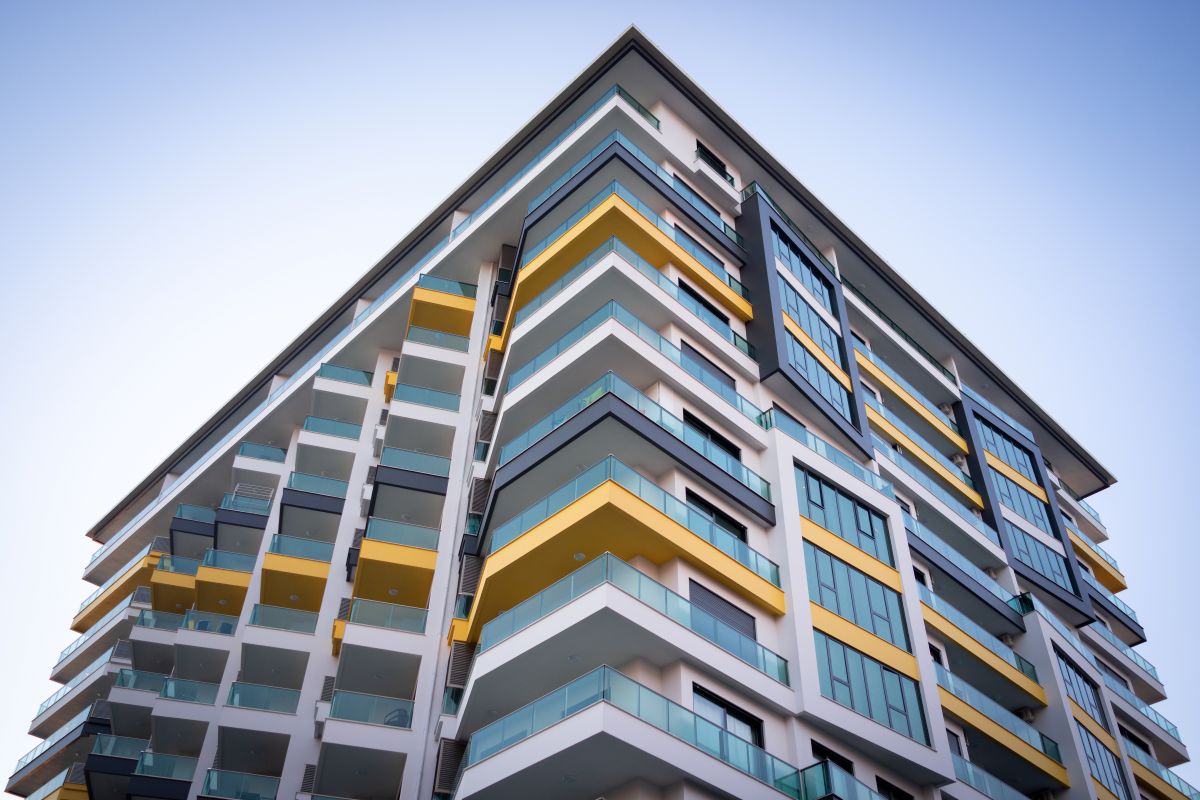
It’s Not Just About Being “Green”
A lot of people hear the word sustainable and immediately think of solar panels or greenery on rooftops. Those things matter, of course, but that’s only one part of the story.
In reality, sustainable architecture is more about how a space works over time. Does it stay cool without over-relying on air-conditioning? Does it make good use of natural light? Can it adapt when needs change?
These are the kinds of questions a good architect company in Singapore is already thinking about long before construction even begins.
What’s Actually Changing in 2026
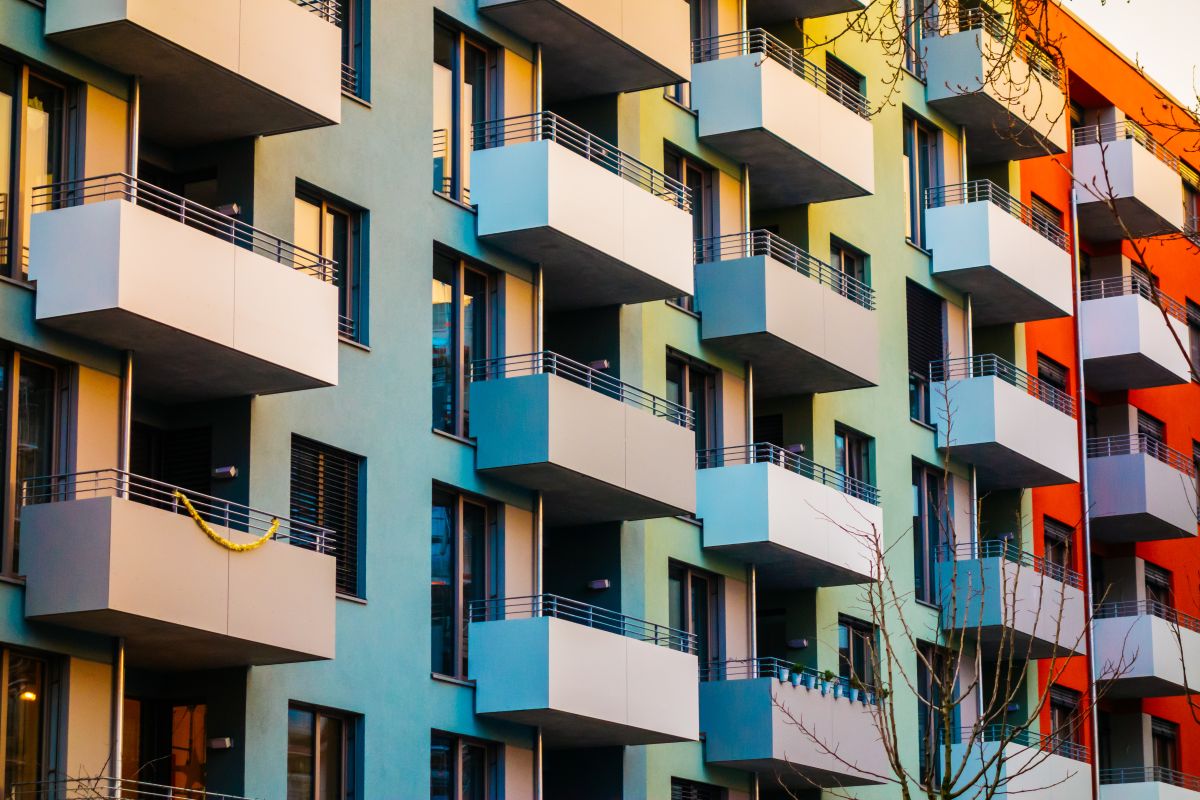
From our experience working around different areas and built environments, the changes aren’t loud or dramatic. They’re subtle but you notice them once you know what to look for.
Smarter Layouts
Spaces are being planned more carefully. Instead of adding more square footage, the focus is on using what’s already there more efficiently.
Smarter Layouts: Spaces are being planned more carefully. Instead of adding more square footage, the focus is on using what’s already there more efficiently.
Less Dependence on Cooling: Designers are paying more attention to airflow and shading. It sounds simple, but it makes a big difference in Singapore’s weather.
Better Material Choices: There’s more awareness now around durability. Materials are chosen not just for how they look, but how they age.
Better Material Choices: There’s more awareness now around durability. Materials are chosen not just for how they look, but how they age.
Flexible Spaces: Rooms are no longer locked into a single purpose. A space that works for one use today can be adapted tomorrow without major changes.
This is where modern home design architects are quietly changing what people expect, making things less rigid and more flexible.
A Quick Look at Green Features
| Element | What’s Different Now | Why It Matters |
|---|---|---|
| Ventilation | More natural airflow | Reduces energy use |
| Lighting | Better daylight planning | Less reliance on electricity |
| Materials | Longer-lasting options | Fewer replacements needed |
| Layout | Flexible use of space | Adapts over time |
Nothing here is overly complex. It’s just more thoughtful planning.
Interiors Play a Bigger Role Than People Think
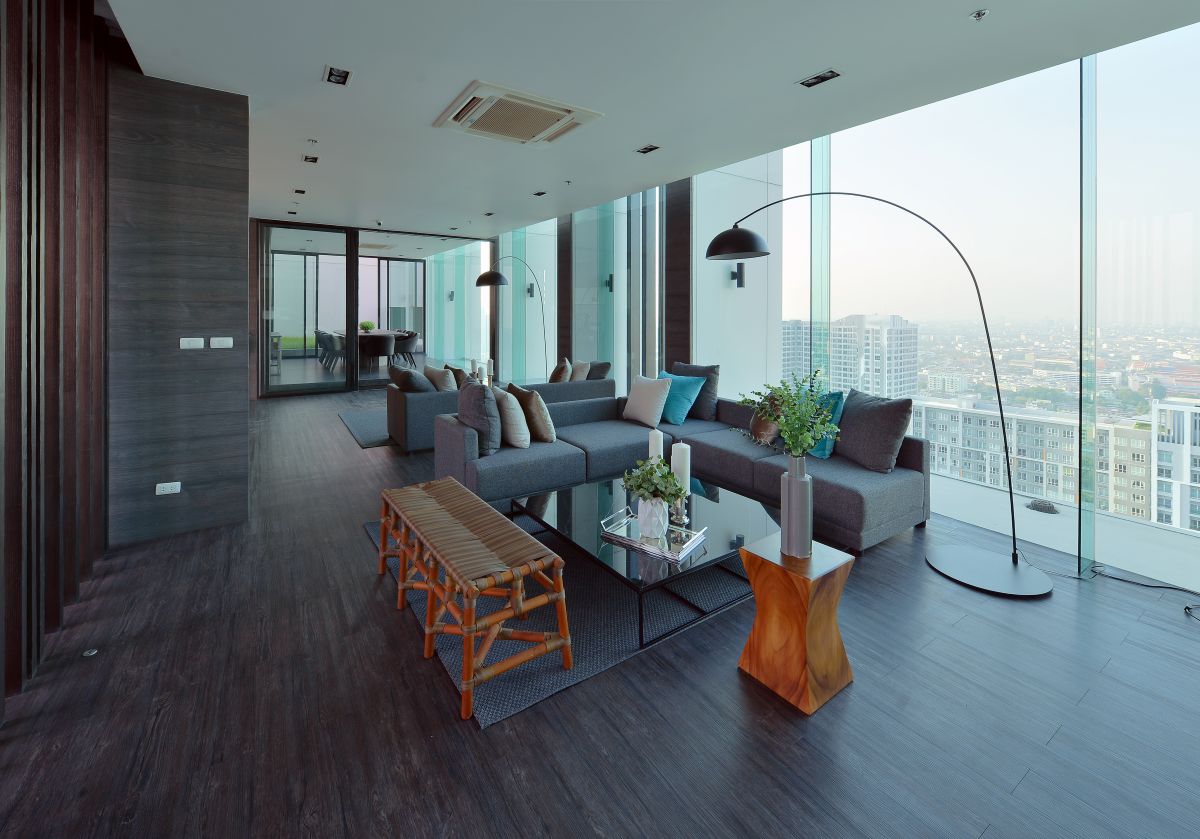
One thing that often gets overlooked is how much interiors affect sustainability. It’s easy to assume it’s all about the structure, but that’s not entirely true.
With the right interior architect and design approach, even a standard space can feel more efficient. Small things like where windows are placed, how furniture is arranged, or how lighting is used can change how much energy a space actually needs.
We’ve seen this first-hand. Sometimes the difference isn’t in the building itself, but in how it’s finished and used.
It’s Always a Team Effort
No single person “does” sustainable architecture. It’s always a mix of different roles coming together. From what we’ve observed, projects tend to work better when everyone is aligned early on—architects, designers, planners, and even teams like ours who deal with how spaces are eventually used.
Working alongside high end residential architects, for example, you can see how early design decisions carry through the entire project. A small choice at the beginning can affect how comfortable or efficient a space feels years later.
Why This Matters in Daily Use
At the end of the day, sustainability isn’t just about the environment—it shows up in everyday experience.
- Spaces feel more comfortable without constant cooling
- Lighting feels more natural during the day
- Maintenance becomes less frequent
- Layouts feel easier to live or work in
These aren’t dramatic changes, but they add up. Over time, they make a noticeable difference.
Conclusion
In Singapore, sustainable architecture isn’t about making big statements; it’s about making better choices quietly and consistently. At first glance, the changes might not seem like much, but over time, they become clear in how a space feels and works.
We see this more than most at LAA because we work across a wide range of areas and settings. We can tell what works, what feels right, and what stands the test of time. We collaborate with experienced architects in Singapore and trusted partners to ensure that the spaces we design are not only beautiful but also functional, efficient, and future-ready.
FAQs
-
1. Is sustainable architecture expensive to implement?
It can cost slightly more at the start, but it usually balances out over time through savings.
-
2. Does it only apply to new buildings?
Not at all. Existing spaces can also be improved with better planning and design updates.
-
3. Are green features always visible?
Not really. Many of them work in the background and aren’t immediately noticeable.
-
4. Why is it important in Singapore specifically?
Because of the climate and limited space, efficient design has a bigger impact here.
-
5. Do all architects focus on sustainability now?
Most do to some extent, but the depth of approach can vary.

HO LUI YEN / PRINCIPAL ARCHITECT
Ho Lui Yen is a Principal Architect at Landmark Architects Associate (LAA), bringing a strong design sensibility that bridges imaginative vision with practical, buildable outcomes.
She works across LAA’s residential, commercial, and interior projects, helping clients turn ideas into distinctive, well-crafted spaces.