Smart Home Technology in Luxury Residences Designed by Architects
At Landmark Architects Associate (LAA), we’ve noticed something interesting over the years that clients no longer ask if they should include smart home technology. They ask how far they should go with it. That shift says a lot. In luxury homes today, smart features are expected, but what really matters is how well they’re integrated. As high end residential architects, we don’t just plug in technology at the end. We think about it from day one, so it fits naturally into the home. When it’s done right, you don’t really notice the technology but you just notice how easy everything feels.
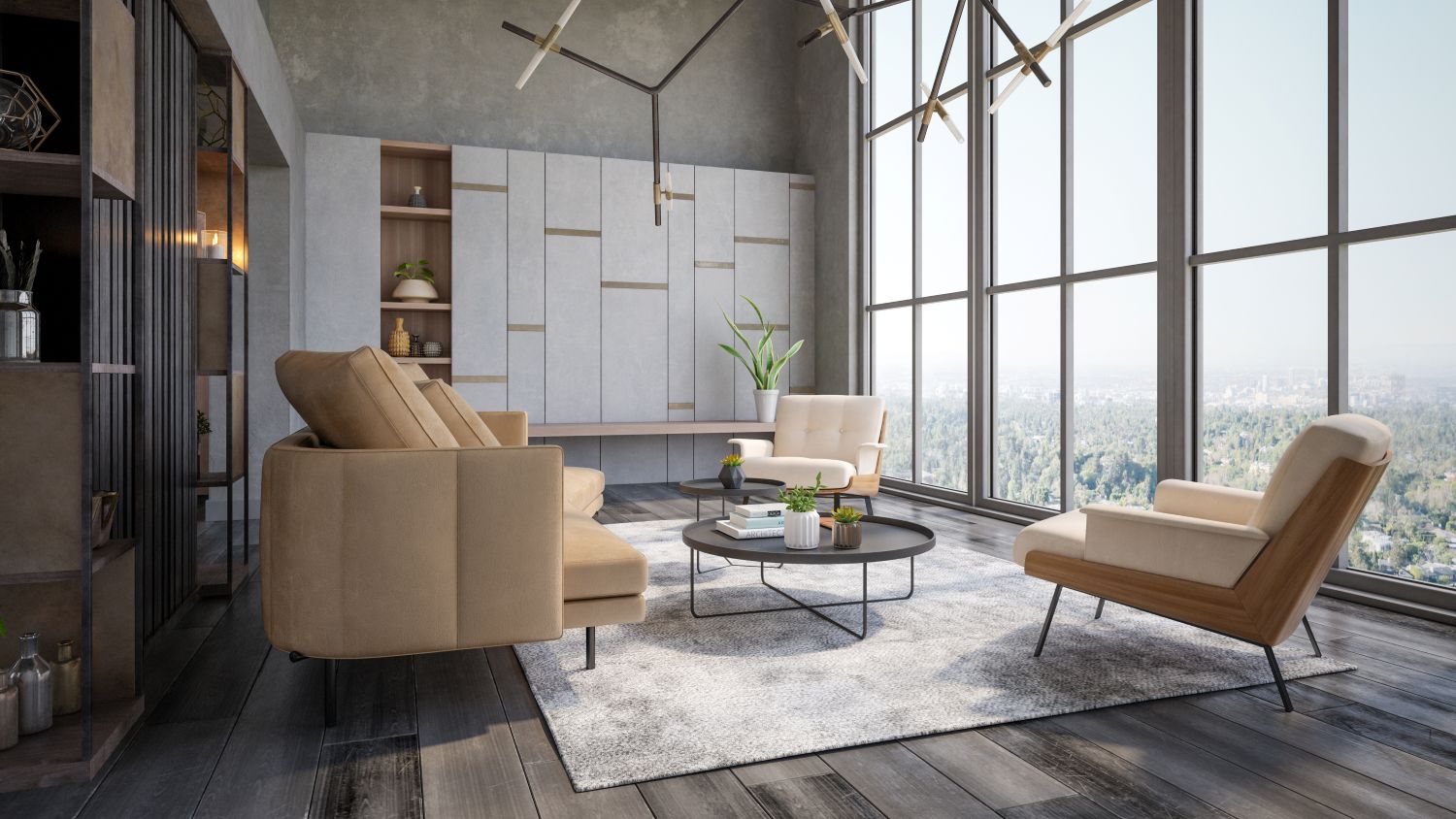
It’s Not About Gadgets Anymore
A lot of people still think of smart homes as a collection of cool gadgets. Lights you can control with your phone, automated curtains, maybe a voice assistant. That’s part of it, sure but that’s not the full picture.
What actually makes a home “smart” is how everything works together. You walk into a room and the lighting feels right. The temperature is already comfortable. You don’t need to adjust five different things just to relax.
As modern home design architects, that’s what we focus on. Not the features themselves, but the experience they create.
Why It Matters More in Luxury Homes
In high-end residential projects, expectations are different. People aren’t just looking for something that looks good, they want something that works effortlessly.
We often hear things like, “I don’t want to think about it, I just want it to work.”
That’s where smart design comes in. When done properly, it:
- Takes small daily tasks off your plate
- Keeps energy use under control without constant effort
- Adds a quiet layer of security in the background
- Lets different members of the household personalise their spaces
As high end residential architects, we see this as part of the overall living experience, not a separate feature.
What Actually Gets Included in These Homes
Every project is a bit different, but there are a few things that almost always come up. Not because they’re trendy but because they genuinely make life easier.
| Feature | What It Feels Like in Daily Life |
|---|---|
| Smart Lighting | The space adjusts to your mood without you thinking about it |
| Climate Control | Rooms stay comfortable throughout the day |
| Security Systems | Peace of mind without being intrusive |
| Central Control | Everything is managed in one place |
| Entertainment Setup | Clean, seamless audio and visual experience |
The key thing here isn’t the list, it’s how all of this is planned.
Where Things Usually Go Wrong
We’ve seen projects where smart systems were added too late. And honestly, it shows.
You end up with:
- Visible wiring that disrupts clean interiors
- Control panels placed in awkward spots
- Systems that don’t talk to each other properly
That’s why we always bring in interior architect and design thinking early in the process. It’s not just about hiding things, it’s about making sure everything feels like it belongs there.
When done right, the technology almost disappears into the background.
Thinking a Few Years Ahead
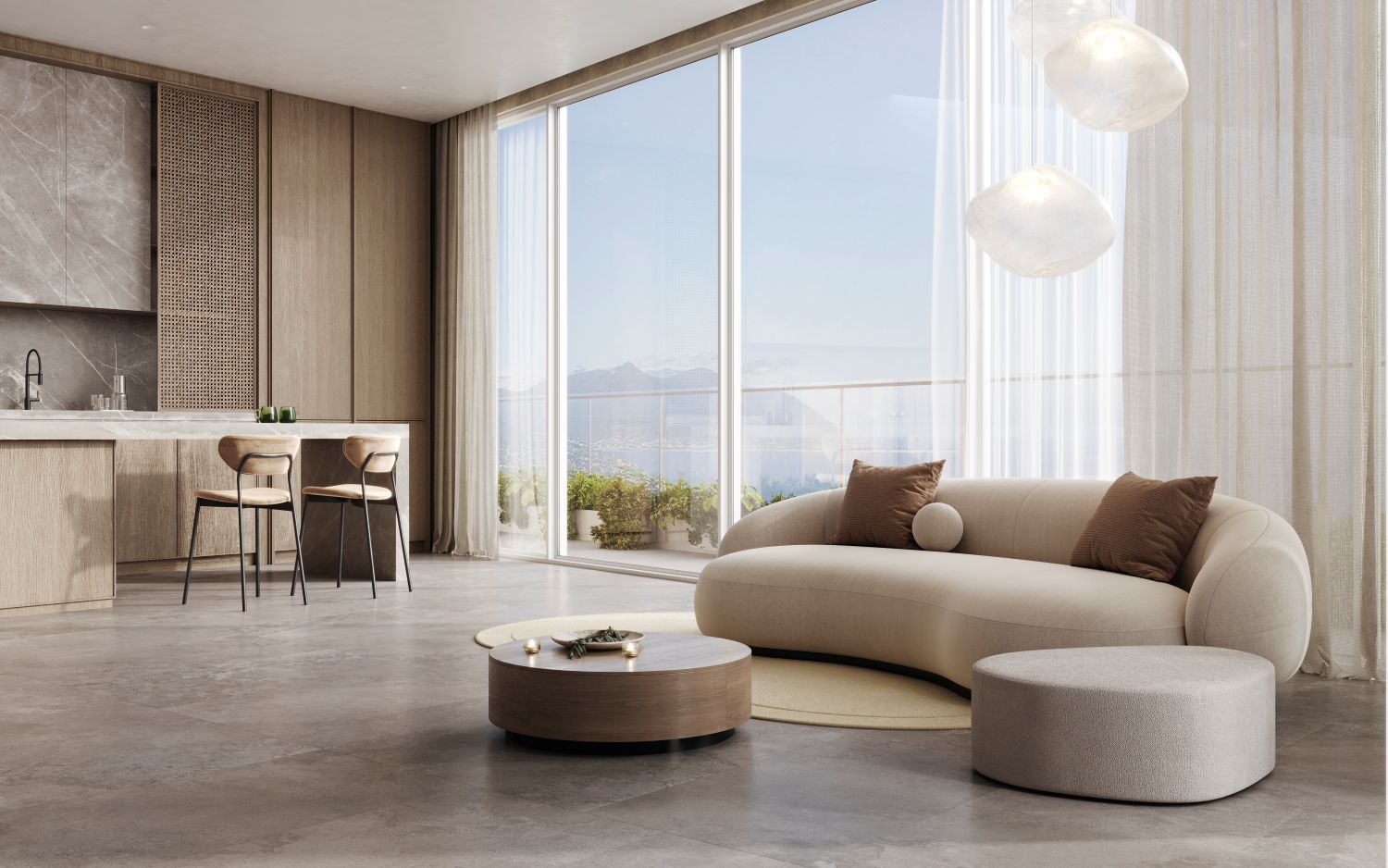
One thing people don’t always consider is how quickly technology changes. What feels advanced today might feel outdated sooner than expected.
So instead of designing around specific devices, we plan for flexibility.
As modern home design architects, we try to keep things adaptable. That might mean leaving room for upgrades, choosing systems that can evolve, or simply avoiding overly complex setups that become frustrating later.
A good smart home shouldn’t feel “old” after a couple of years.
Keeping It Simple
Here’s something we’ve learned that more technology doesn’t always mean a better home. Sometimes the smartest decision is knowing what not to include.
As experienced architects in Singapore, we guide clients through that process. We ask questions like:
- Will this actually be used daily?
- Does it make life easier or more complicated?
- Is it adding value or just adding cost?
The goal is always the same, keep things simple, but effective.
The Architect’s Role (More Than People Think)
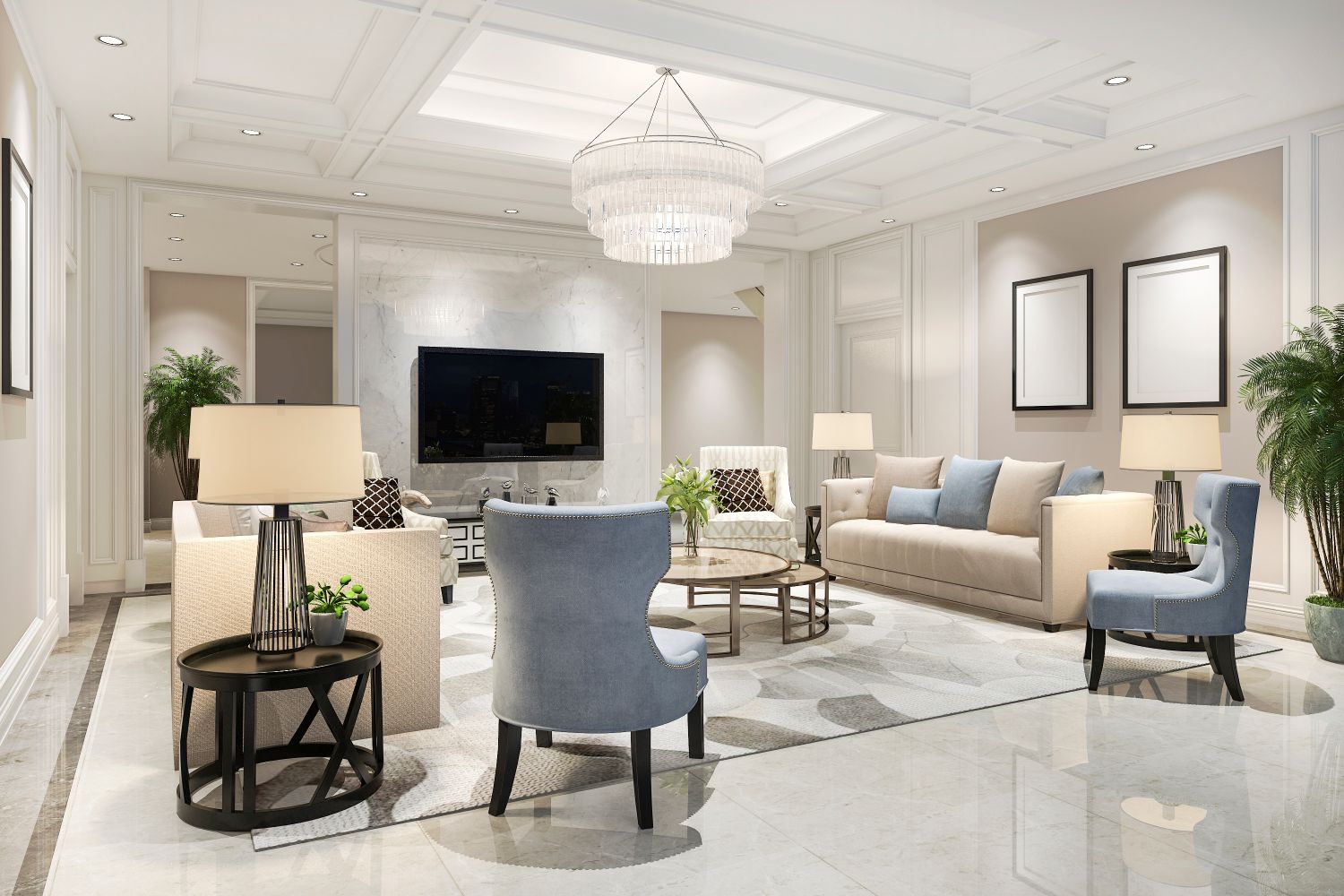
There’s a common idea that smart homes are mostly handled by tech consultants. They do play a big role, of course. But without proper architectural planning, things can fall apart quickly.
As high end residential architects, we’re the ones making sure everything connects properly, not just technically, but spatially.
We look at how people move through a space, where controls should go, how lighting affects different areas. It’s all connected.
Conclusion
Smart home technology has definitely changed the way luxury homes are designed, but at its core, the goal hasn’t really changed. It’s still about creating a space that feels comfortable, practical, and easy to live in. The technology just helps us get there in a more refined way.
At Landmark Architects Associate (LAA), we approach this carefully. As high end residential architects, we don’t chase trends, we focus on what actually works for the people living in the space. By combining that with our experience in interior architect and design and our understanding of how homes are used today, we create environments where technology supports the lifestyle, not the other way around.
FAQs
-
1. Do smart homes become difficult to use over time?
Only if they’re poorly planned. A good system should feel intuitive from day one.
-
2. Is it necessary to include everything?
Not at all. The best setups are usually the most practical ones.
-
3. Can smart systems affect the design of a home?
Yes but when planned early, they actually improve the overall design.
-
4. Is it expensive to maintain?
It depends on the system, but most modern setups are designed to be low-maintenance.
-
5. Can older homes be upgraded?
Yes, but it’s always cleaner and more efficient when done during the design stage.

HO LUI YEN / PRINCIPAL ARCHITECT
Ho Lui Yen is a Principal Architect at Landmark Architects Associate (LAA), bringing a strong design sensibility that bridges imaginative vision with practical, buildable outcomes.
She works across LAA’s residential, commercial, and interior projects, helping clients turn ideas into distinctive, well-crafted spaces.